


Mission statement
The Masarang Foundation works all over Indonesia but their goals aim to have a global impact. The aim of the Masarang Foundation is to save the environment through the active participation of local people.
Through its projects, the foundation works on solutions for the most pressing problems the world currently faces: climate change, extinction of plants and animals, destruction of ecosystems, poverty and underdevelopment. The projects link the possibilities of nature, the potential of local people, local traditions and customs, science and technology.
Tasikoki Wildlife Rescue Centre is a unit of the Masarang Foundation dealing specifically with wildlife biodiversity issues.
ASAP Species they are working to conserve


ASAP Partner since: 2017
Country focus: Indonesia
News & Stories
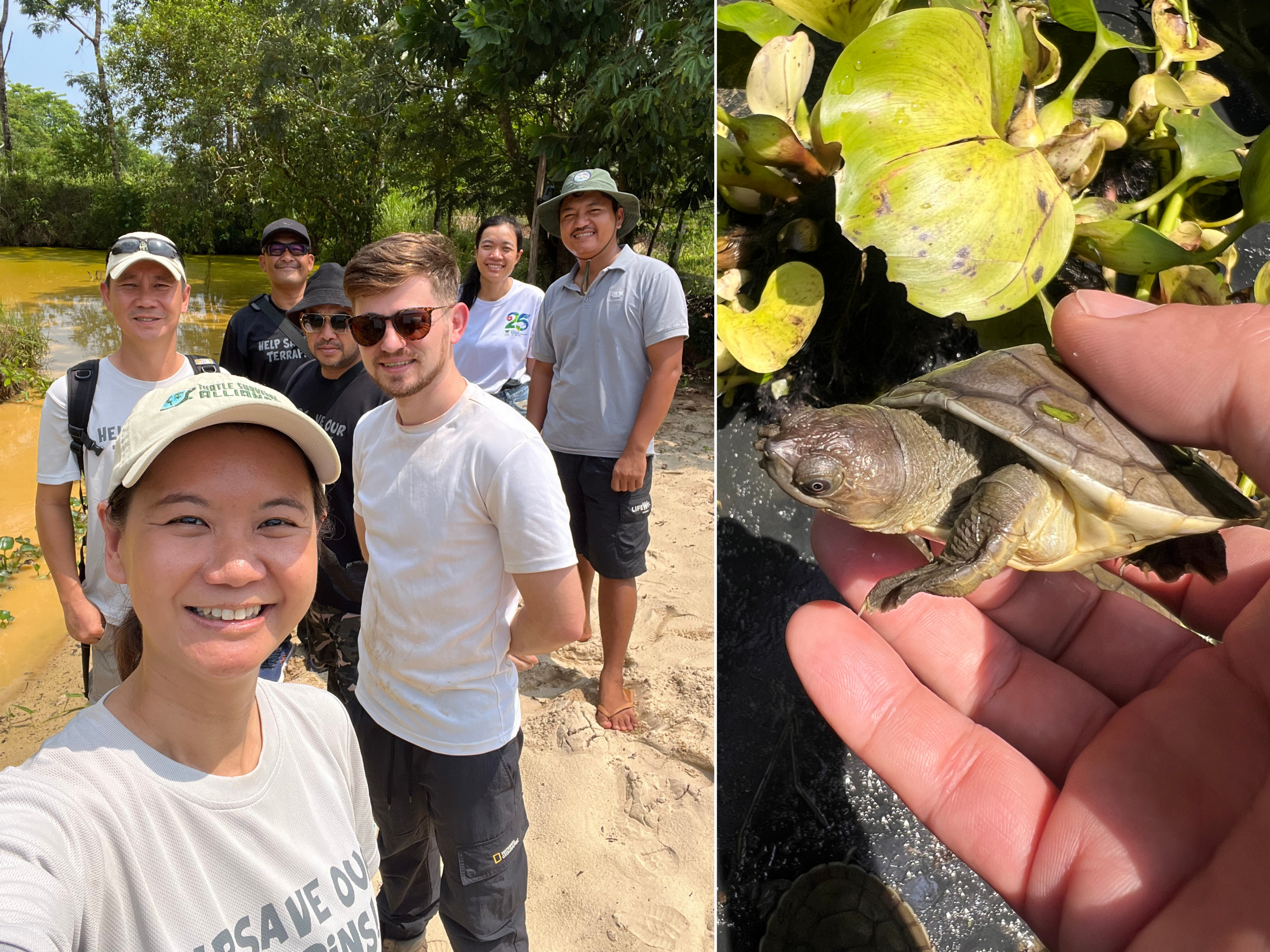
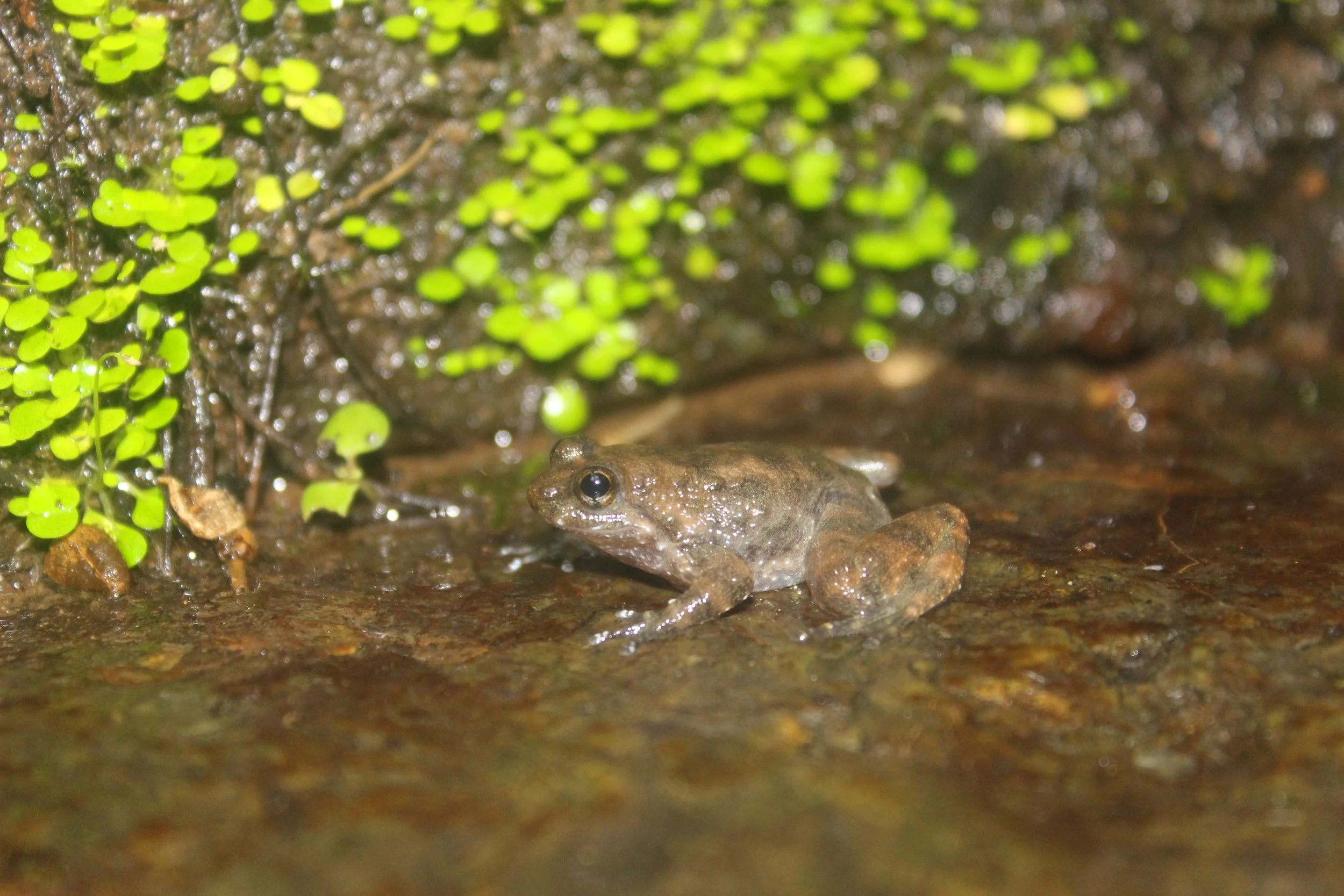
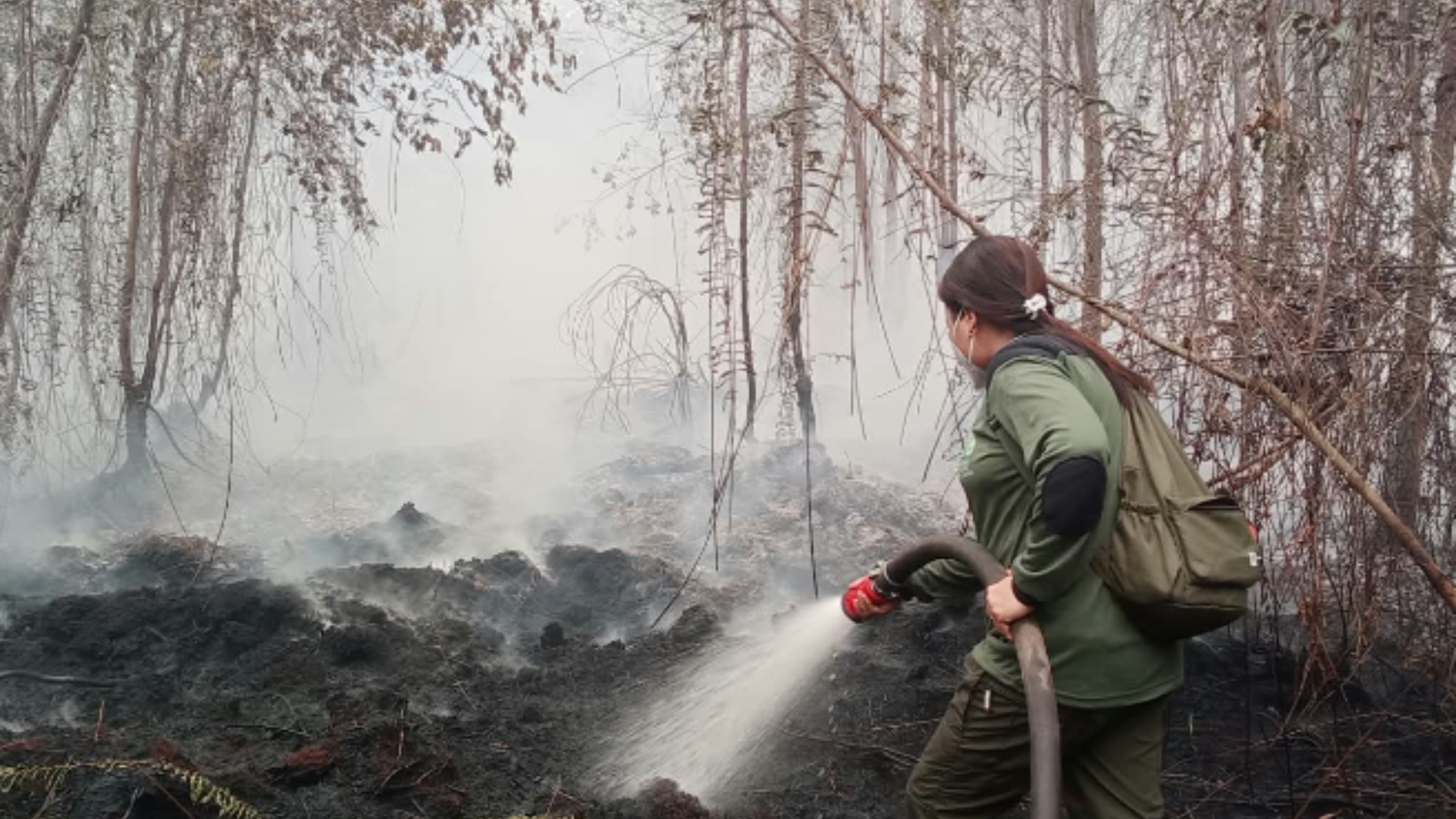
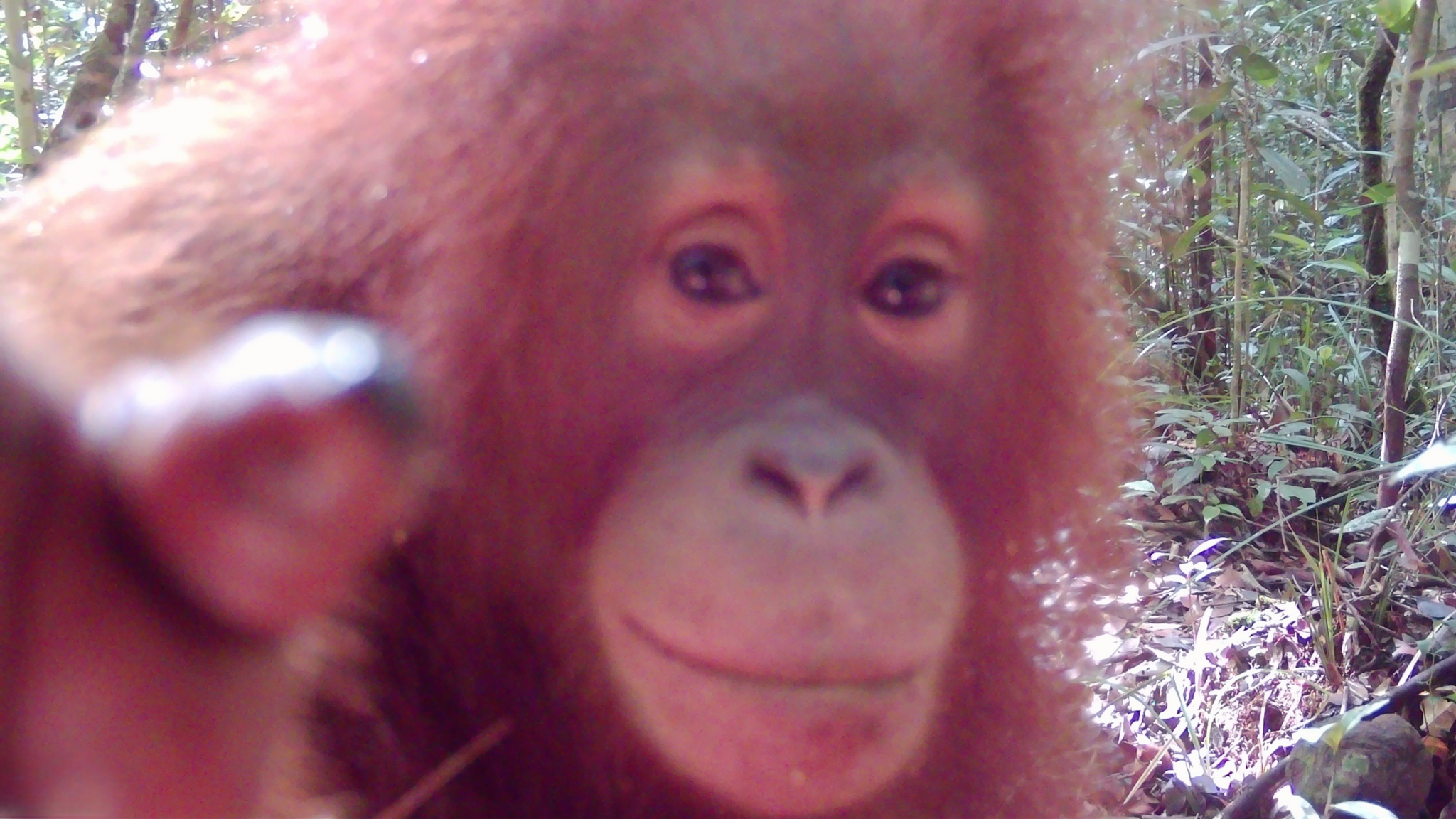
Based in Desa Lintang, Simpang Renggiang, East Belitung, Komunitas Lanun is made up of local fishers who play an active role in looking after the wetland and its surrounding landscape.
The community initially came together to defend its land and surrounding landscape against pressure from extractive industries. Over time, they developed ecotourism as a way to protect the area while creating opportunities for local livelihoods. They wanted people, including visitors from elsewhere in Indonesia and abroad, to recognise the value of their landscape.