

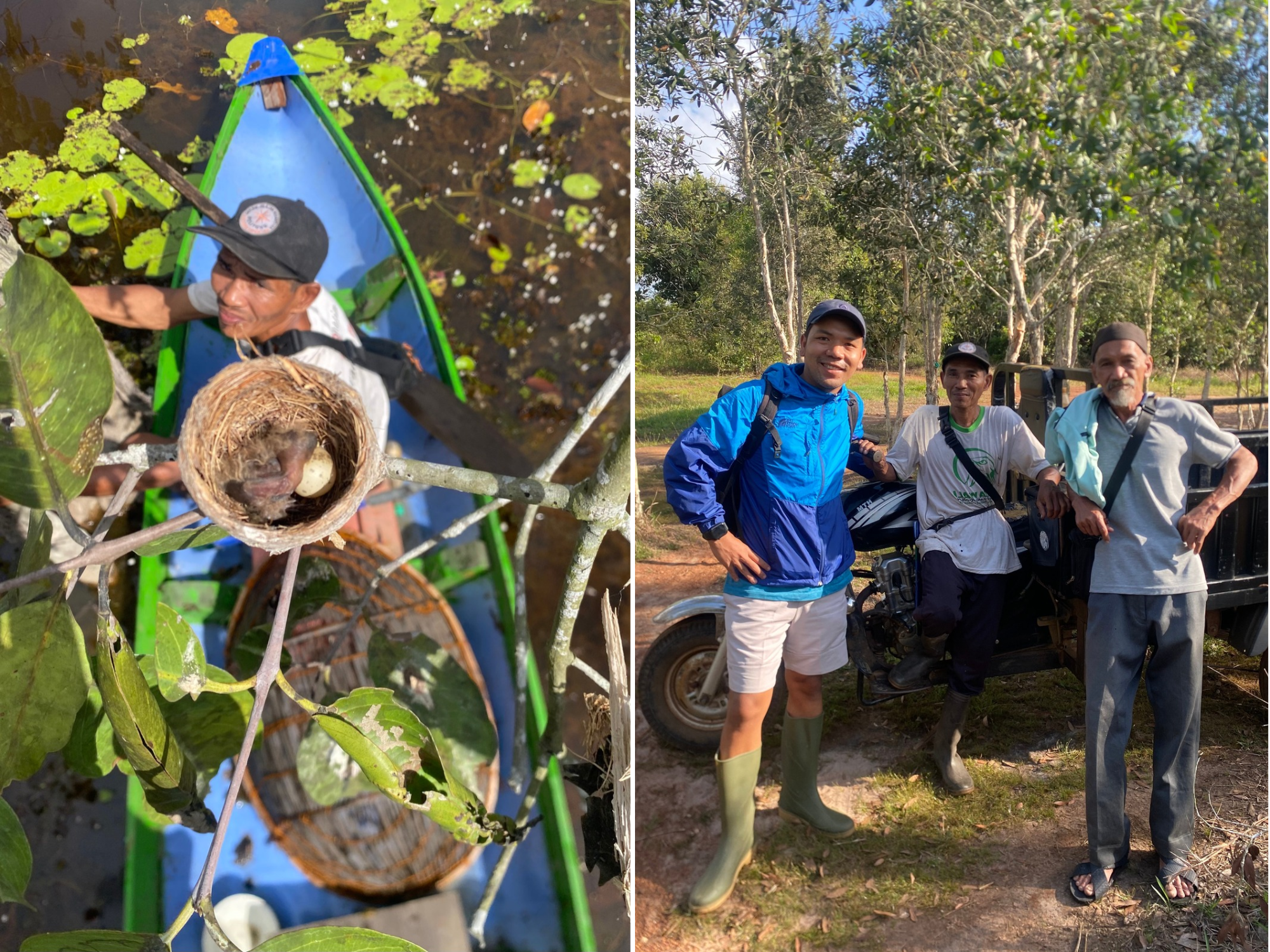
ASAP’s Indonesia Programme Coordinator, Arrum Harahap, with Pak Nasidi, leader of Komunitas Lanun, and fellow community member Pak Marwan in Tebat Rasau, Belitung (July 2026). Photo credit: Arrum Harahap.
17 November 2026
Just a few months after joining the Asian Species Action Partnership (ASAP), Arrum Harahap began visiting conservation organisations across Indonesia in his role as Indonesia Programme Coordinator. These visits helped him build trust with the people carrying out conservation work, gain a new perspective on the challenges they face, and deepen his understanding of the support they need.
His visits took him to Komunitas Lanun, a fishing community in Tebat Rasau, Belitung; SatuCita in North Sumatra; Yayasan Kinatouan in North Sulawesi; and the Indonesia Herpetofauna Foundation in West Java.
In this first story of the series, Arrum shares his experience with Komunitas Lanun and what he learnt from spending time with them.
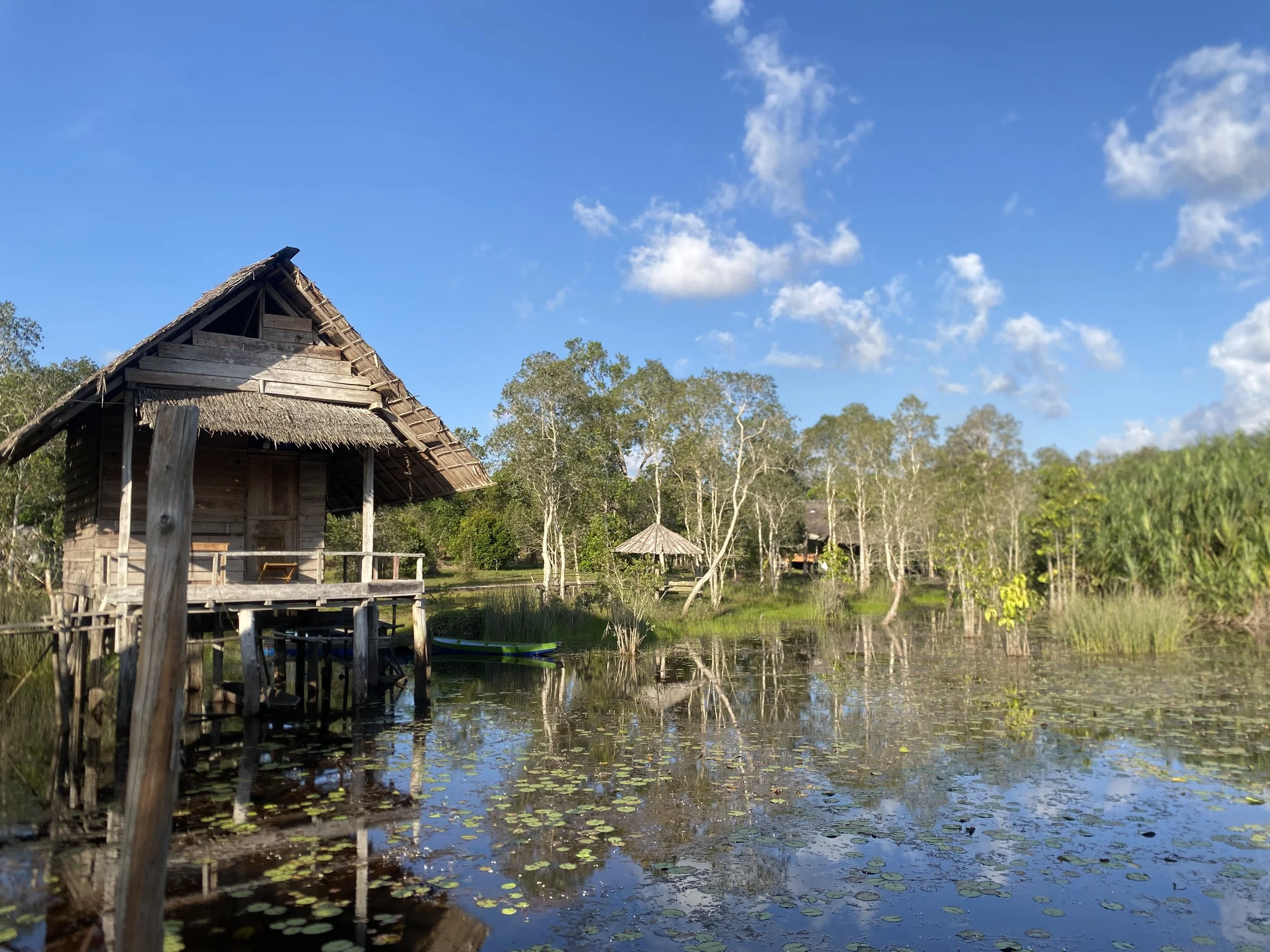
The Tebat Rasau wetland in East Belitung, Indonesia, is one of the geosites within the Belitong UNESCO Global Geopark, designated in 2021. Photo credit: Arrum Harahap
I joined ASAP in March 2026, and by July, I had already begun visiting our conservation partners. My first visit was to Komunitas Lanun in the Tebat Rasau wetland, Belitung.
Based in Desa Lintang, Simpang Renggiang, East Belitung, Komunitas Lanun is made up of local fishers who play an active role in looking after the wetland and its surrounding landscape.
The community initially came together to defend its land and surrounding landscape against pressure from extractive industries. Over time, they developed ecotourism as a way to protect the area while creating opportunities for local livelihoods. They wanted people, including visitors from elsewhere in Indonesia and abroad, to recognise the value of their landscape.
Their efforts eventually expanded into species conservation and the protection of ASAP species, the Critically Endangered Malayan Giant Turtle, locally known as bejuku or biuku. Their approach to conservation grew out of their everyday experiences and the challenges they faced.
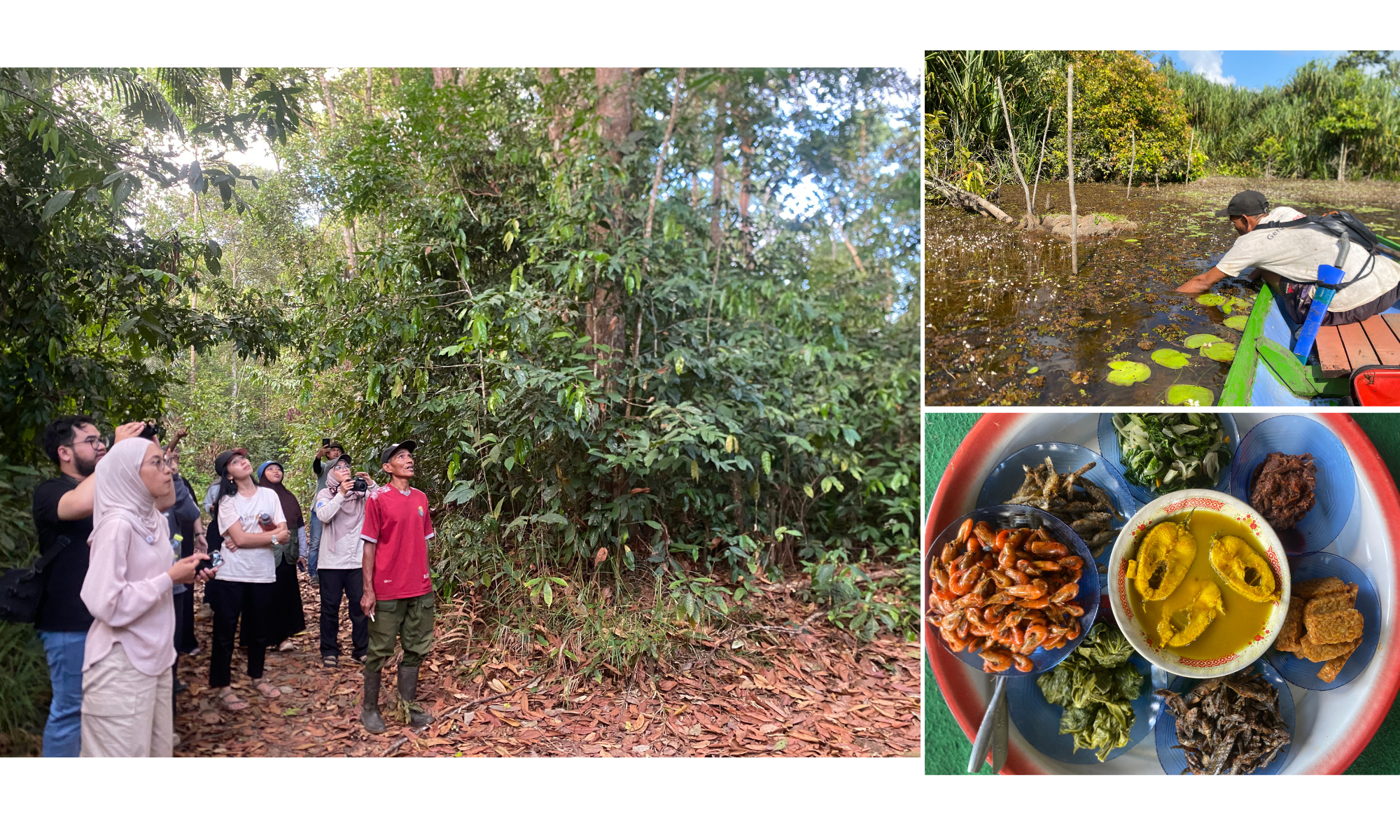
Komunitas Lanun has developed ecotourism activities in Tebat Rasau, offering visitors a chance to explore the wetland, experience local traditions, and learn about the community's efforts to protect the landscape. Photo Credit: Arrum Harahap.
During my visit, I spent a lot of time with Pak Nasidi and Pak Marwan. Almost every afternoon, we would go out on a boat to catch fish or prawns. These were part of their everyday activities, but they also gave me opportunities to talk with them about the wetland, their livelihoods, and the community’s work.
Before I left, they invited me to spend a night in the forest upstream of the wetland. They wanted me to see the area from a different perspective and understand why protecting Tebat Rasau also means paying attention to the forests upstream.
We walked for about three hours before reaching the place where we would sleep. There were no tents, so we laid on mats on the forest floor by the river, built a fire, and caught and cooked fish. After dinner, we went searching for wildlife and came across several species, including geckos, frogs, a tarsier, and a phyton.
We then returned to our mats and continued talking. Our conversations moved between everyday matters and the community’s experiences. One of the conversations that stayed with me was when Pak Nasidi and Pak Marwan started recalling how they had organised themselves to resist pressure from extractive industries and advocate for the protection of their landscape. The conversation also included plenty of laughter and jokes. I found that conversation particularly interesting. I was struck by how much of their work involved organising, negotiating, and advocating for their community, often beyond what would normally be described as technical conservation activities.
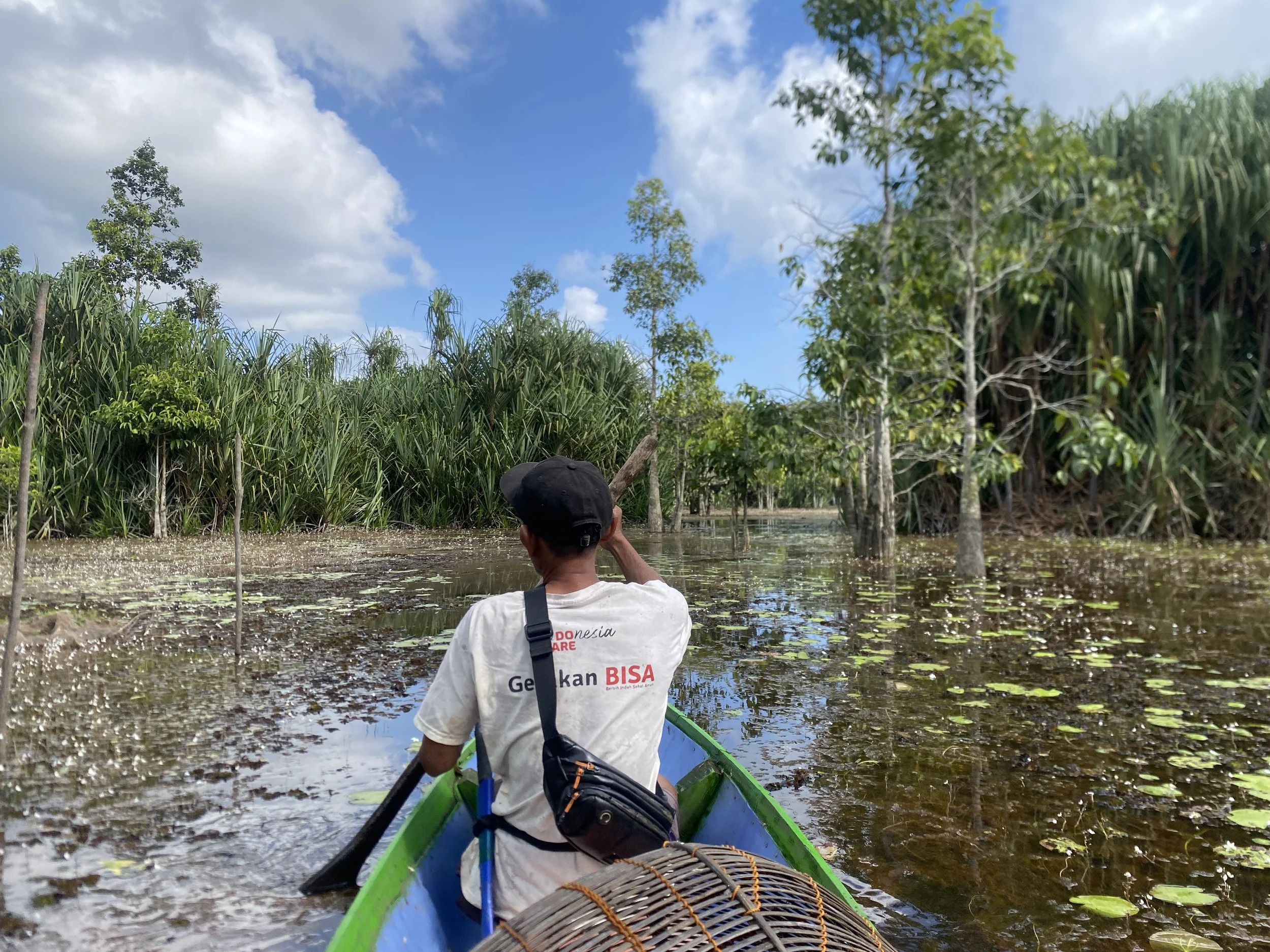
During his visit to Tebat Rasau, Arrum Harahap learnt valuable lessons from the people who know the landscape best, gaining insights into the community’s conservation work that go beyond project reports.. Photo credit: Arrum Harahap.
Hearing these stories directly from Pak Nasidi and Pak Marwan helped me understand the history behind their work including the organising, negotiations, and relationships that have shaped its approach to protecting the wetland.
For me, this is also an important part of being a relationship manager. Project reports and formal meetings tell us about activities, progress, and challenges, but spending time with partners offers a different understanding of how organisations operate and what their work means in the local context.
This article is the first in a four-part Stories from the Field series, following Arrum Harahap’s visits to conservation organisations during his first year with ASAP. The series features Komunitas Lanun in Tebat Rasau, Belitung; SatuCita in North Sumatra; Yayasan Kinatouan in North Sulawesi; and the Indonesia Herpetofauna Foundation in West Java. Further stories in the series will be published in the coming weeks.