


Mission statement
UP Mountaineers is a student organisation of the University of the Philippines-Diliman, which promotes responsible mountaineering as a healthy physical activity, and as a means to advocate environmental awareness-particularly forest conservation and protection of mountain habitats.
Since 2007, the UP Mountaineers have been helping with the rehabilitation and protection of the Ipo Watershed. The organisation adopted several hectares of land and spearheaded its recovery processes. Regular activities include tree planting, nurturing and tagging, as well as local environmental education, stakeholder collaboration, and digital campaigning.
Follow us on social media


ASAP Species they are working to conserve
Species


ASAP Partner since: 2023
Country focus: Philippines
News & Stories
Featured
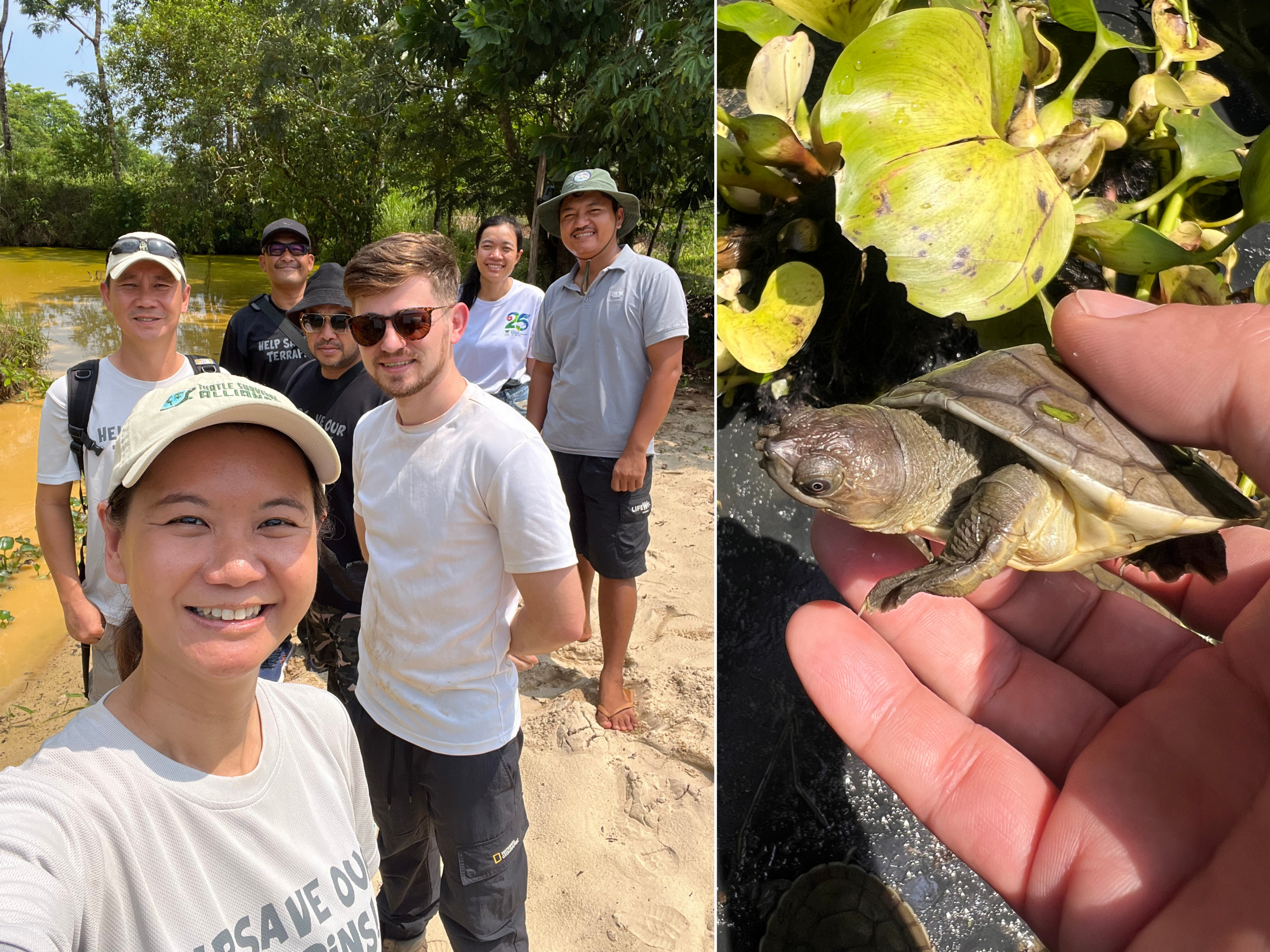

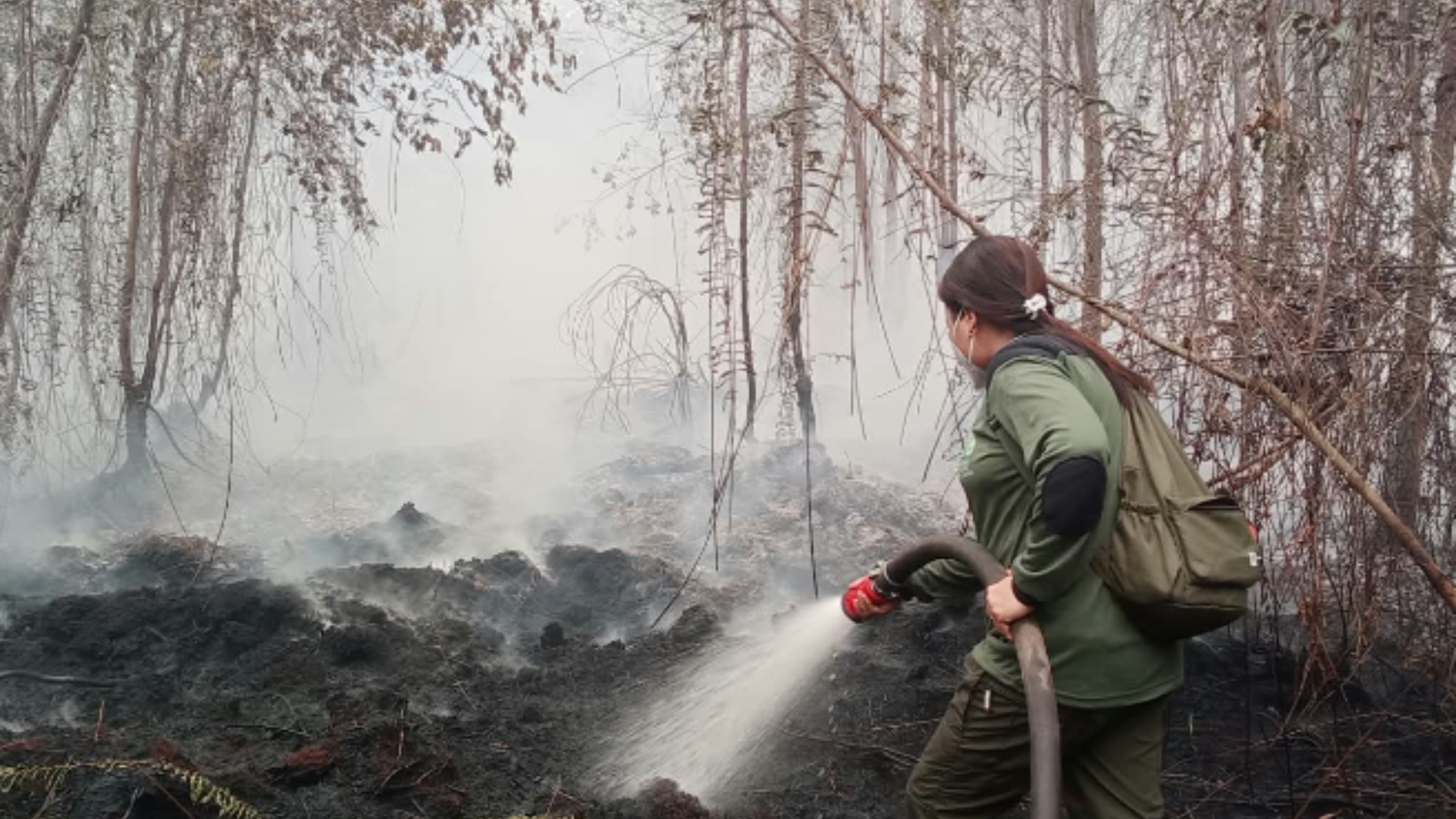


Based in Desa Lintang, Simpang Renggiang, East Belitung, Komunitas Lanun is made up of local fishers who play an active role in looking after the wetland and its surrounding landscape.
The community initially came together to defend its land and surrounding landscape against pressure from extractive industries. Over time, they developed ecotourism as a way to protect the area while creating opportunities for local livelihoods. They wanted people, including visitors from elsewhere in Indonesia and abroad, to recognise the value of their landscape.