


Mission statement
Yayasan Kanopi Indonesia is a non-profit CSO (Community Social Organization) based in Yogyakarta, Indonesia. Our activities include conservation of landscapes and biodiversity resources through socio-economic and ecological-based research, Strengthening site-level communities in sustainable management of biodiversity, and awareness-raising on conservation. Kanopi Indonesia also has a goal to disseminate information on biodiversity and landscape conservation to the wider community to build mass movements and policy making by the government.
Follow us on social media


ASAP Species they are working to conserve
Species


ASAP Partner since: 2020
Country focus: Indonesia
News & Stories
Featured
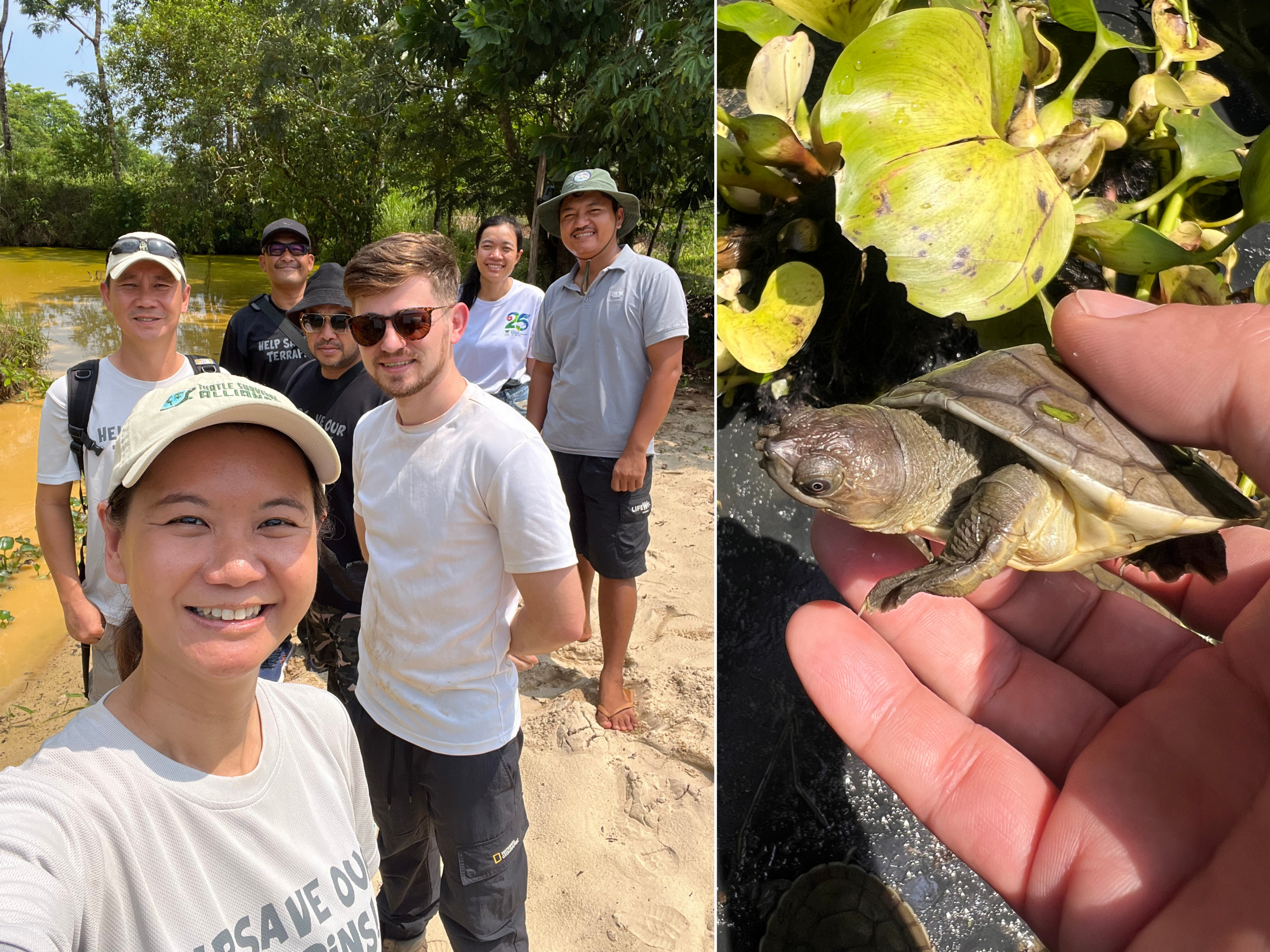
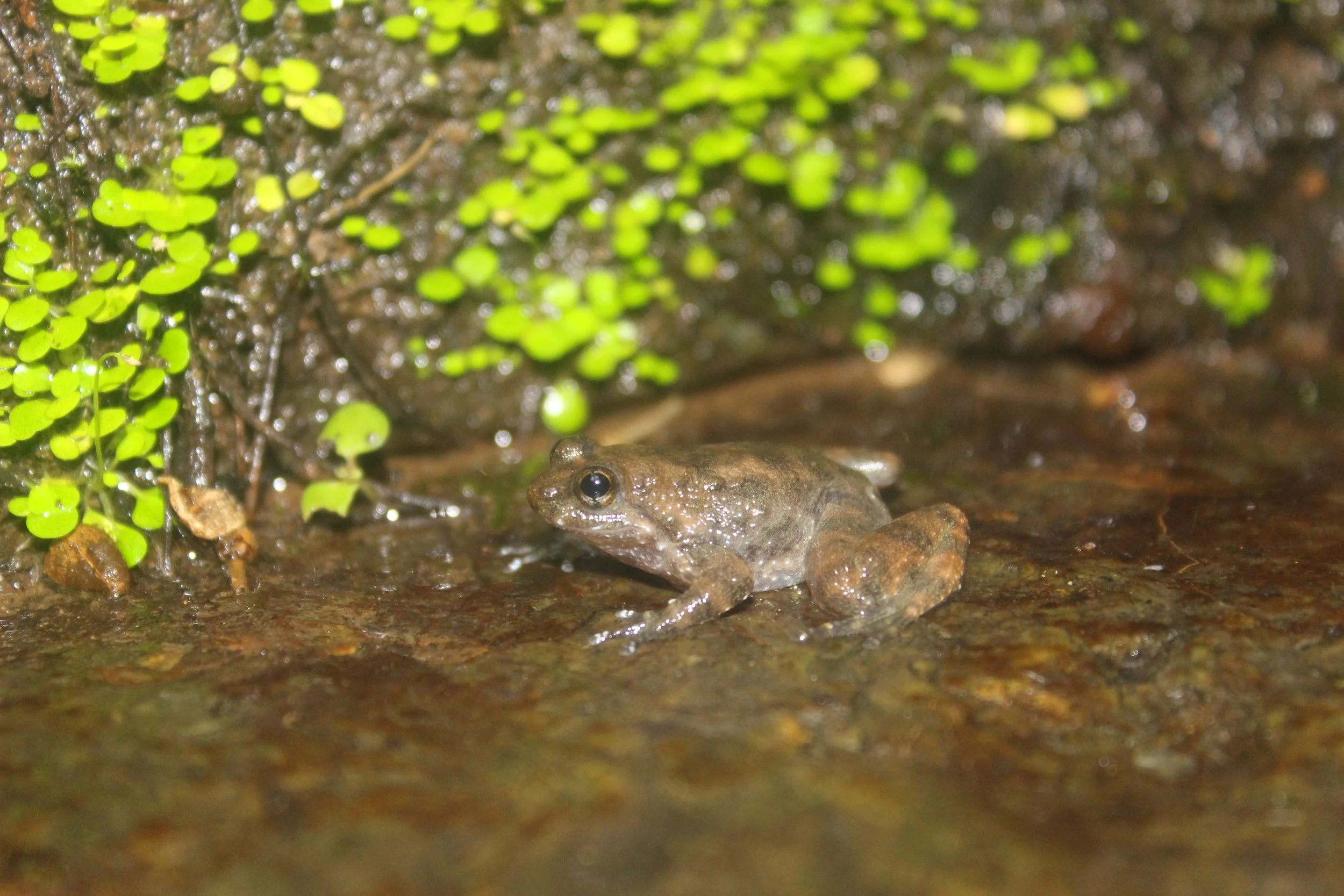
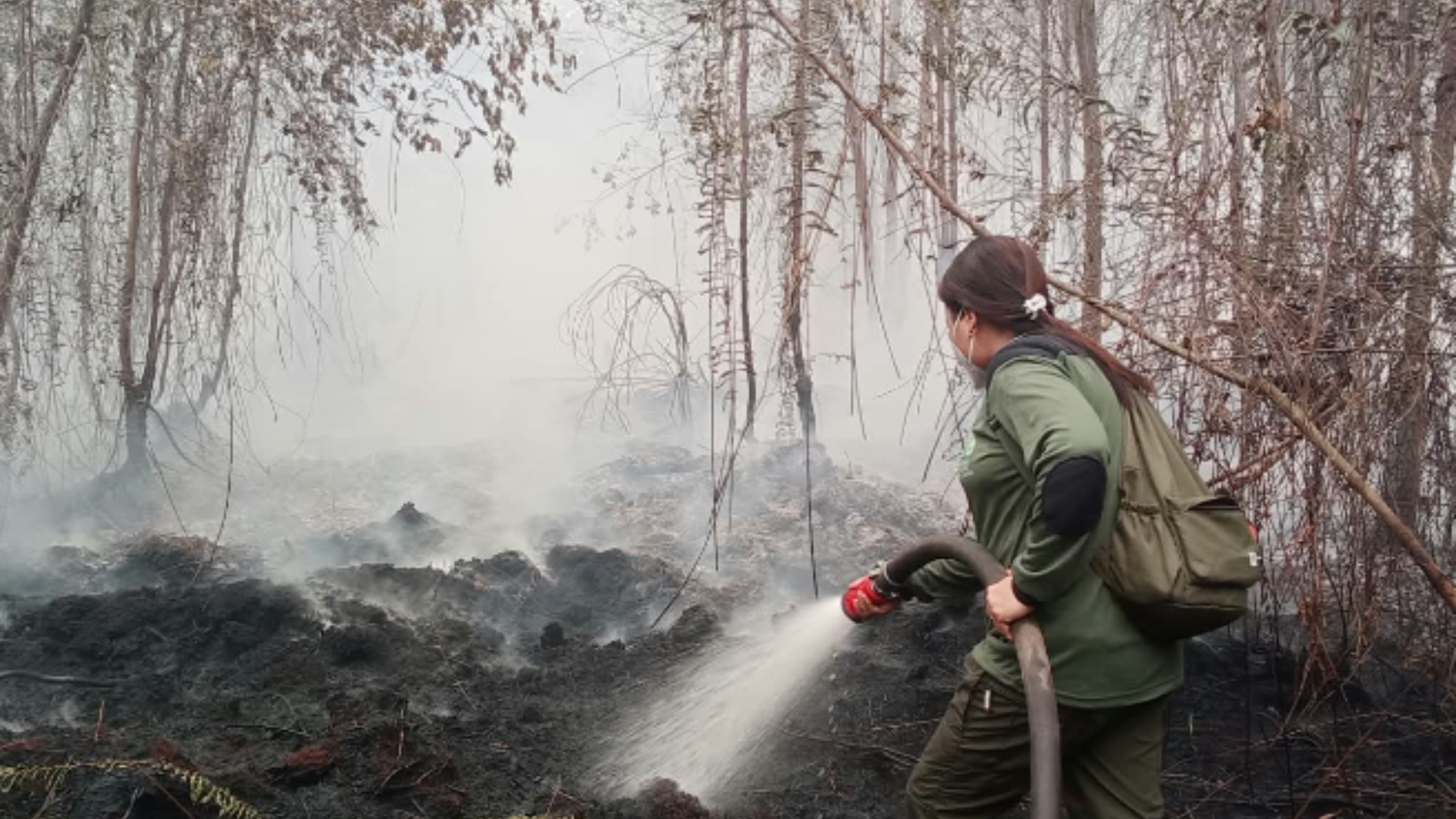

Based in Desa Lintang, Simpang Renggiang, East Belitung, Komunitas Lanun is made up of local fishers who play an active role in looking after the wetland and its surrounding landscape.
The community initially came together to defend its land and surrounding landscape against pressure from extractive industries. Over time, they developed ecotourism as a way to protect the area while creating opportunities for local livelihoods. They wanted people, including visitors from elsewhere in Indonesia and abroad, to recognise the value of their landscape.