

Mission statement
Harteman Wildfowl Aviaries contributes to knowledge, education and conservation of the world's waterfowl. We contribute to EAZA’s Ex-situ Programmes (EEP); as well as directly contributing to ex-situ conservation by keeping and breeding threatened species in our private collection – keeping breeding records, gathering data and images about these species in my private collection – and educating the general public through my personal website, social media channels, avicultural magazines and communities such as Aviornis International, International Wild Waterfowl Association and the IUCN-SSC Threatened Waterfowl Specialists Group and EAZA's Waterfowl Taxon Advisory Group.
Follow us on social media



ASAP Partner since: 2025
Country focus: Global
ASAP Species they are working to conserve

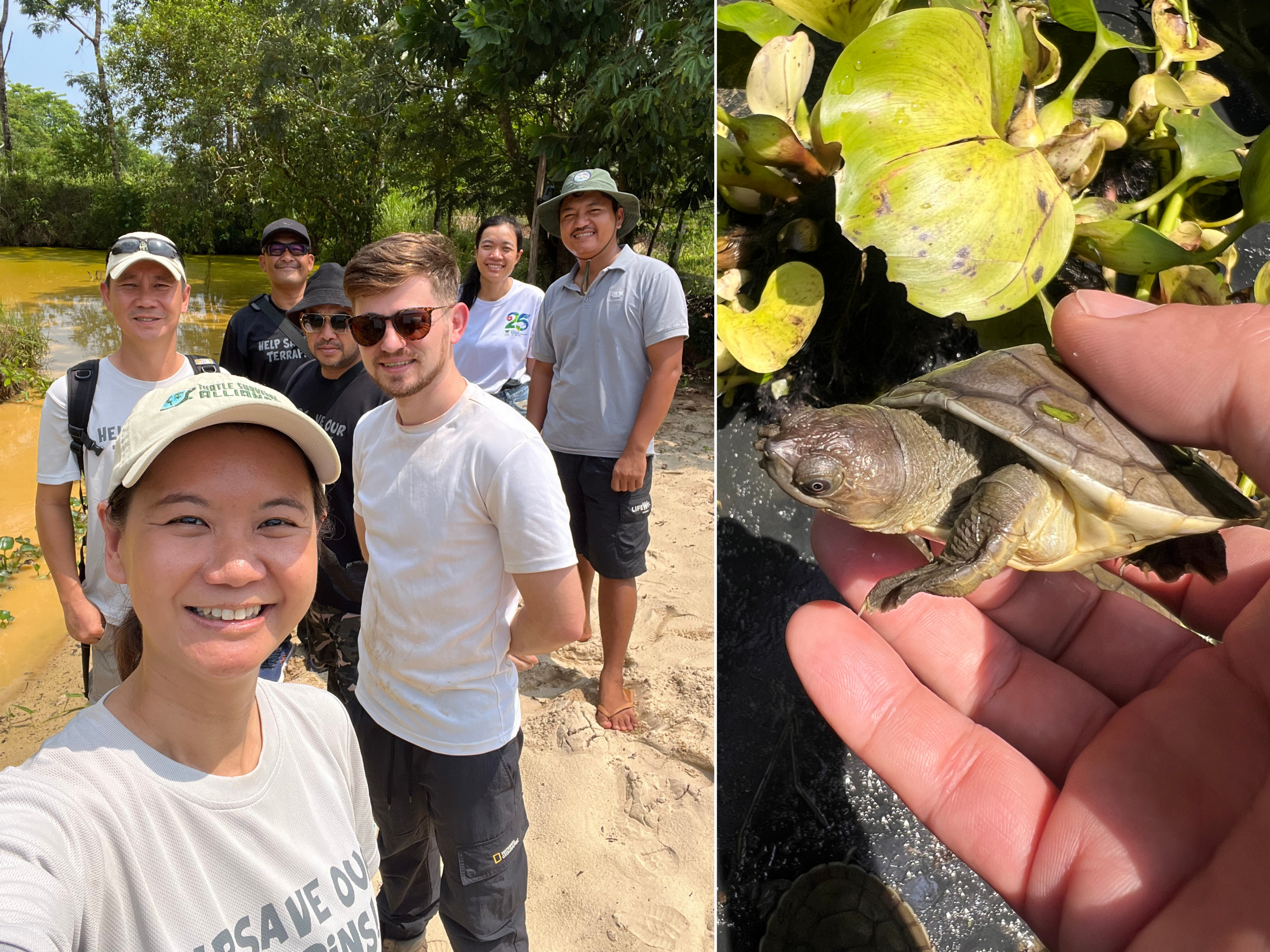
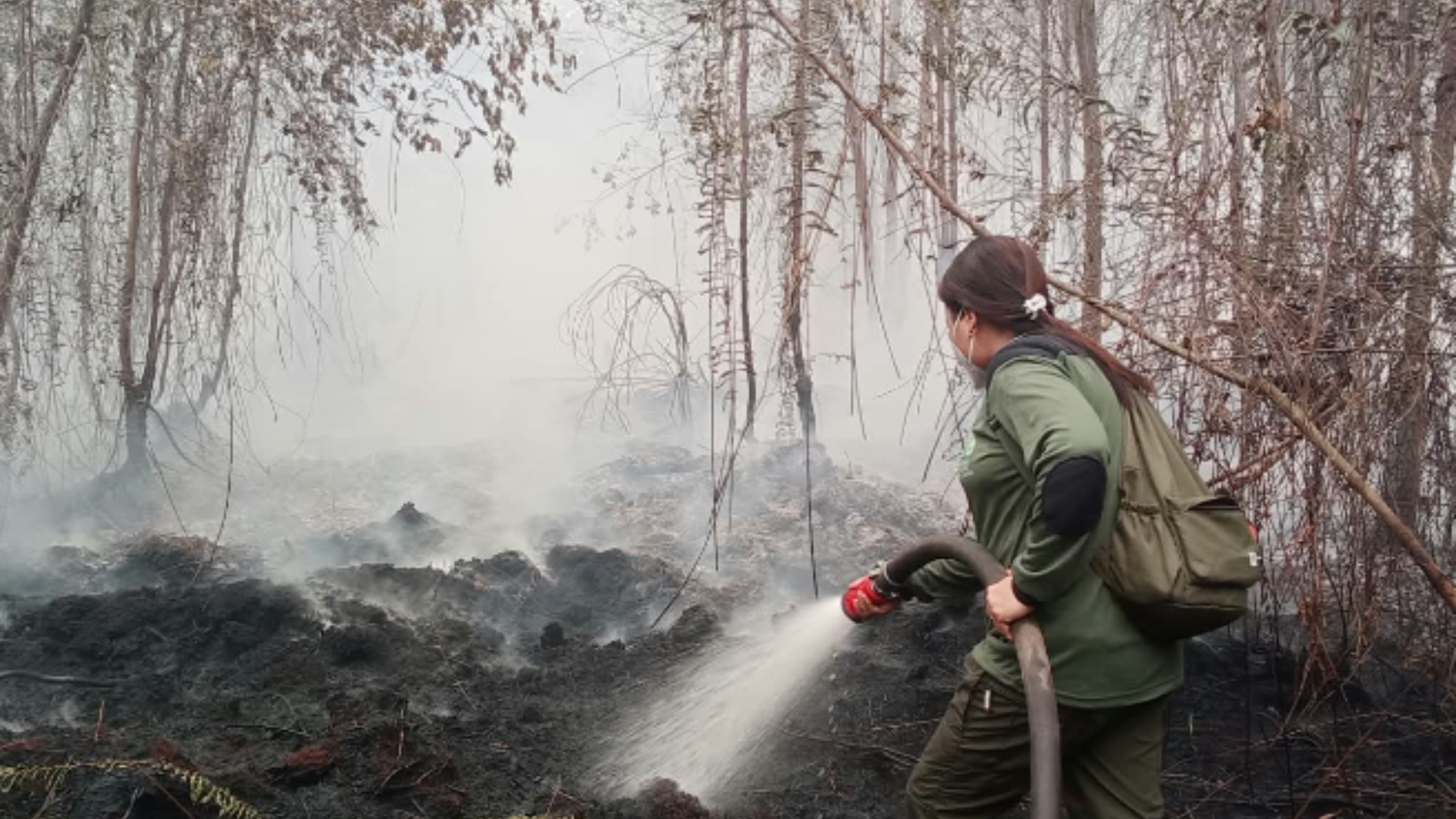
Based in Desa Lintang, Simpang Renggiang, East Belitung, Komunitas Lanun is made up of local fishers who play an active role in looking after the wetland and its surrounding landscape.
The community initially came together to defend its land and surrounding landscape against pressure from extractive industries. Over time, they developed ecotourism as a way to protect the area while creating opportunities for local livelihoods. They wanted people, including visitors from elsewhere in Indonesia and abroad, to recognise the value of their landscape.