


Mission statement
RCCC – UI was establish in 17 October 2010. As a Research Center within the University of Indonesia, RCCC adopts the vision and mission of the University of Indonesia to become a core center (center of excellence) and the forefront of research by conducting leading/key-cutting edge research. Through its research activities, in the next five years UI envisages itself as an Asia-class university and will be regarded as a trendsetter in scientific community. To date, RCCC – UI can be considered as one of the leading research center within University of Indonesia and can implements the vision and mission especially in climate change research. Research Center for Climate Change – University of Indonesia (RCCC – UI) aims to:
- improve climate change researches and trainings in Indonesia;
- bring together national and global climate change stakeholders;
- develop scientific breakthrough on climate change studies;
- transform research results for various stakeholders and public, and position University of Indonesia as a role model in formulating policies and actions to cope with climate change.
Follow us on social media


ASAP Species they are working to conserve



ASAP Partner since: 2021
Country focus: Indonesia
News & Stories
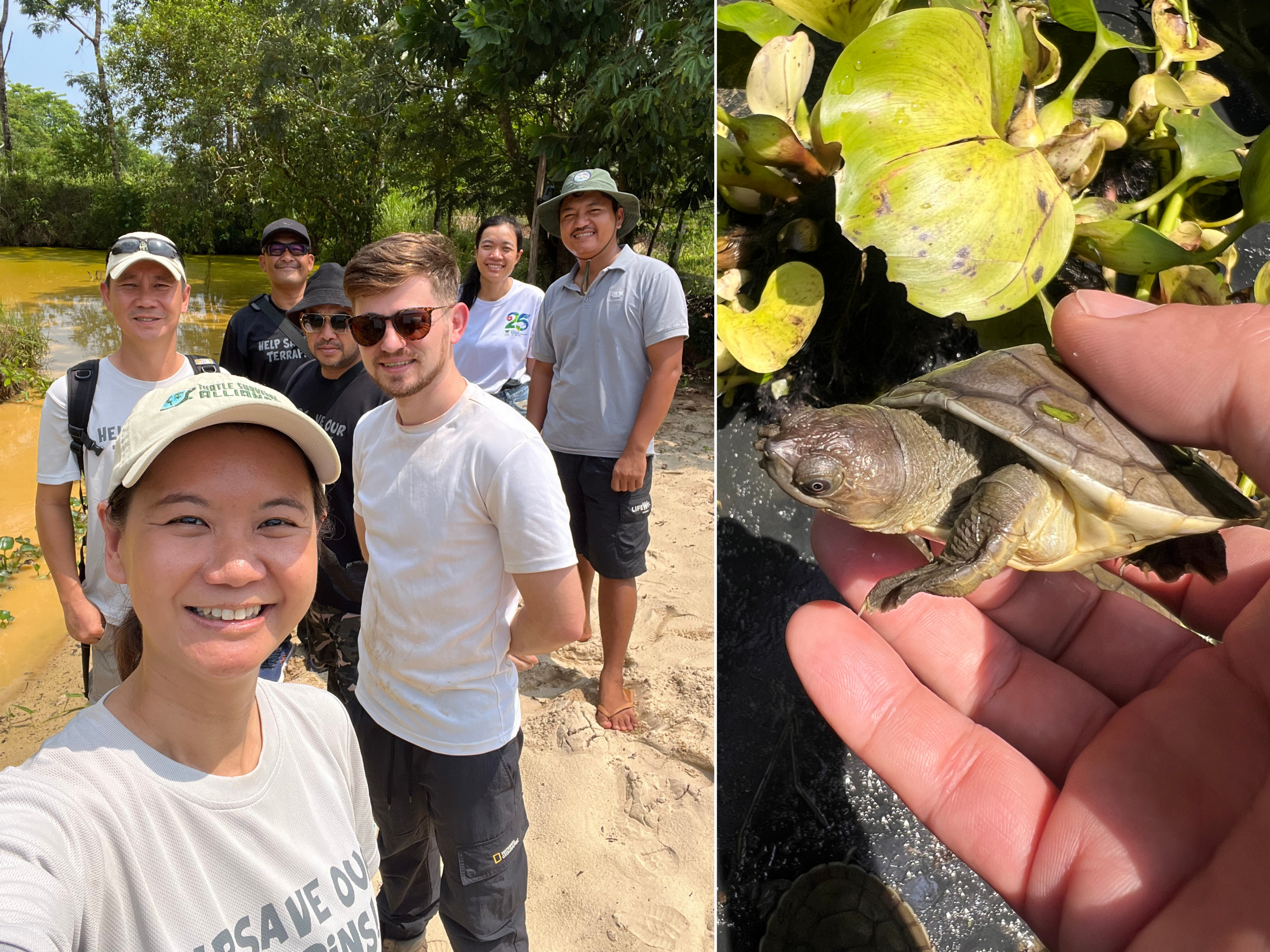

Based in Desa Lintang, Simpang Renggiang, East Belitung, Komunitas Lanun is made up of local fishers who play an active role in looking after the wetland and its surrounding landscape.
The community initially came together to defend its land and surrounding landscape against pressure from extractive industries. Over time, they developed ecotourism as a way to protect the area while creating opportunities for local livelihoods. They wanted people, including visitors from elsewhere in Indonesia and abroad, to recognise the value of their landscape.