

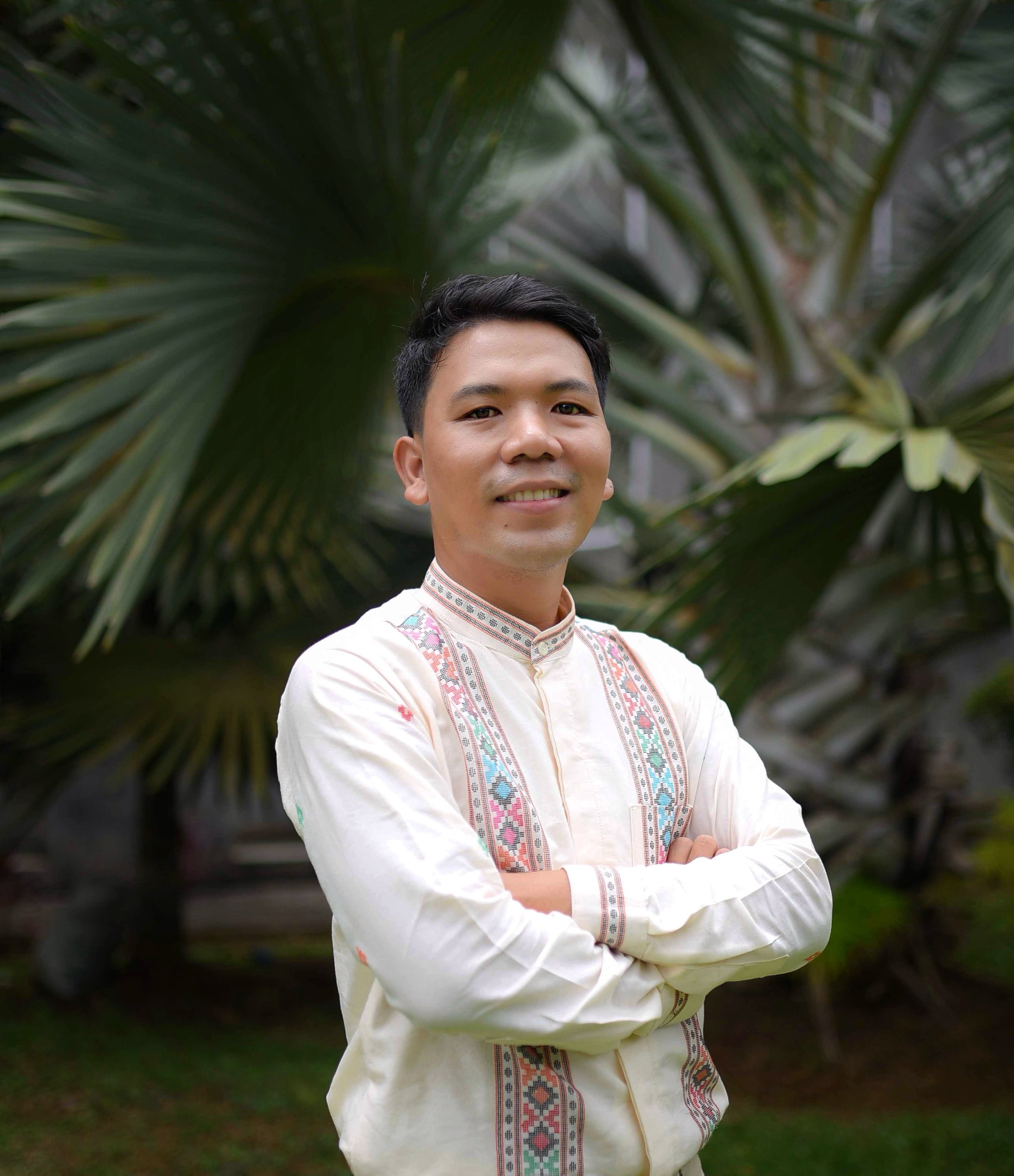
Arrum Harahap recently joined ASAP as Indonesia Programme Coordinator. Based in Yogyakarta, Arrum works as part of a two-person coordination team alongside Cahaya Ramadhani to support our strategic partners across Indonesia. We spoke with Arrum to find out more about what brought him to ASAP and what aspects of the role he is most excited about.
What’s your favourite species in Indonesia and why?
Growing up in Sumatra, I've never found it easy to choose just one. But if I had to, it would be the Tapanuli Forest Gecko Cnemaspis tapanuli. In my culture (the Batak), geckos are associated with earth spirits and fertility, so they were part of the stories I grew up with. Years later, during my PhD studying ecosystem services, I came to appreciate their ecological role and resilience. Geckos remind me that healthy ecosystems depend not only on the species that attract the most attention, but also on many smaller, often overlooked ones.
What were you doing before joining ASAP?
Before joining ASAP, I worked on a mix of conservation and community-based programmes in Indonesia and Australia. I started out with Tapanuli Orangutan conservation in the Batang Toru landscape and then moved across different parts of Sumatra, working on biodiversity conservation, ecosystem services, and community engagement. More recently, I’ve been focused on supporting partnerships between local organisations, Indigenous communities, researchers, government agencies, and international institutions.
How would you describe your role in simple terms?
In simple terms, I help connect people, organisations, and ideas to support conservation. My work focuses on building partnerships, understanding local realities, and helping ensure that conservation efforts are both practical and effective for people, species, and ecosystems.
What’s one conservation challenge in Indonesia you think deserves more attention?
I think we need to pay more attention to the role of small and locally led NGOs in shaping decisions that affect biodiversity in Indonesia. Many have strong technical expertise and deep knowledge of species, ecosystems, and communities, but they are not always well-funded and well-represented in spaces where decisions are made. For me, an important question is how we can strengthen their ability to engage in these processes and ensure their knowledge and experience are considered. Conservation organisations need to be given a meaningful seat at the table in shaping the future of the landscapes where they work.
What are you most excited to work on in the Indonesia programme?
Two things. First, the learning. The programme works with organisations focusing on very different species and conservation challenges. I'm excited to learn from those experiences and from the people doing the work on the ground. Second is the opportunity to support partners and help tell their stories. In my experience, many local organisations are doing remarkable conservation work but are not always visible beyond their immediate networks. With ASAP, I am excited to help create more opportunities for their work, experiences, and lessons to be seen and heard by a wider audience.
Arrum joins the rest of the ASAP Secretariat team, who you can meet on our Our People page.